Summer Septic Tank Care During Peak Usage
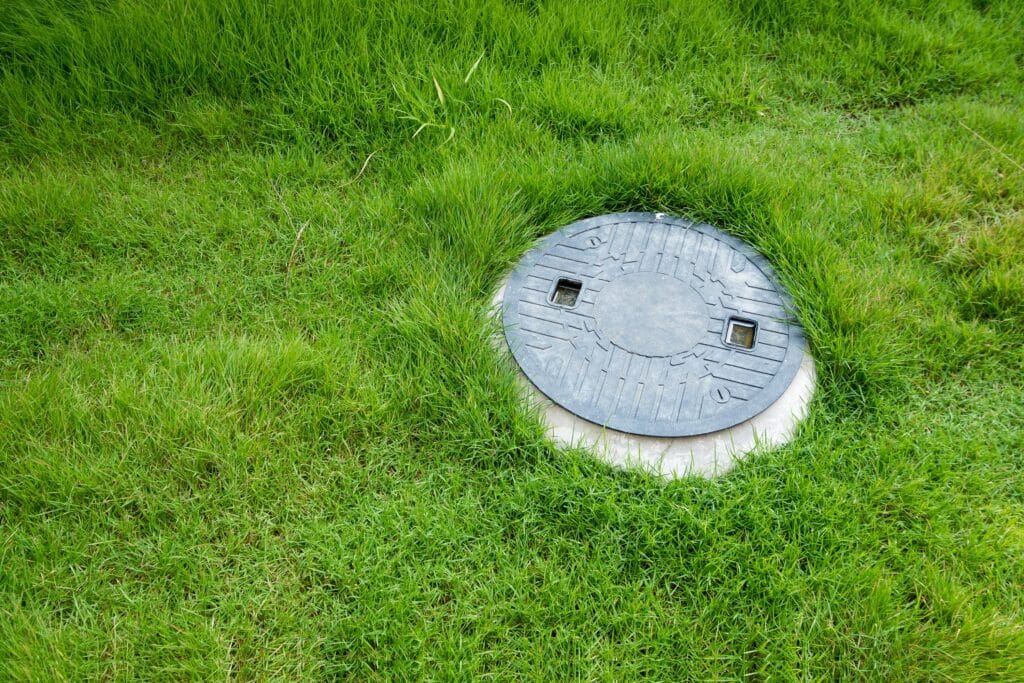
It’s very normal for households in Johnson City, TN, to use more water during the summer. But all those extra loads of laundry and keeping the lawn green can significantly stress your septic tank. As a homeowner, preventing septic system overloads and costly backups means managing water usage and staying on top of septic tank care. You’ll also want to make sure everyone in the household understands what should and should not go down your drains.
Symptoms of an Overworked Septic System
Septic system problems usually get worse over time and provide multiple red flags. Paying attention to small changes can help you recognize the early warning signs before they turn into major issues.
- Slow-draining sinks, tubs, or toilets
- Gurgling sounds from drains
- Foul odors near drains or in the yard
- Standing water around the drain field
- Unusually lush grass above the system
- Sewage backups inside the home
Plan Your Water Usage Accordingly
Throughout the school year, your house likely experiences minimal water use during the day. In the summer, though, things change. You’ll run the dishwasher and laundry more since kids are home more often. Multiple people may take showers during the day, rather than just in the mornings and evenings. All of that extra water runs through your septic system. If you’re not careful, you may overload the system.
The best way to avoid an overload is to plan your water usage. Instead of everyone using water at the same time, try to space out showers and laundry cycles.
Be Mindful With Laundry
Summer activities often lead to muddy, grassy clothes and sandy towels. Throwing these items in the washer without rinsing them off is a huge mistake. Sand and dirt are solids, and they don’t break down like organic waste. They will accumulate in your tank or drain field, potentially causing clogs.
To keep these materials from building up, rinse off clothes outdoors before throwing them in the washer. If possible, set up an outdoor rinse area where everyone can clean off before coming inside.
Be Careful With What Goes Down Your Drains
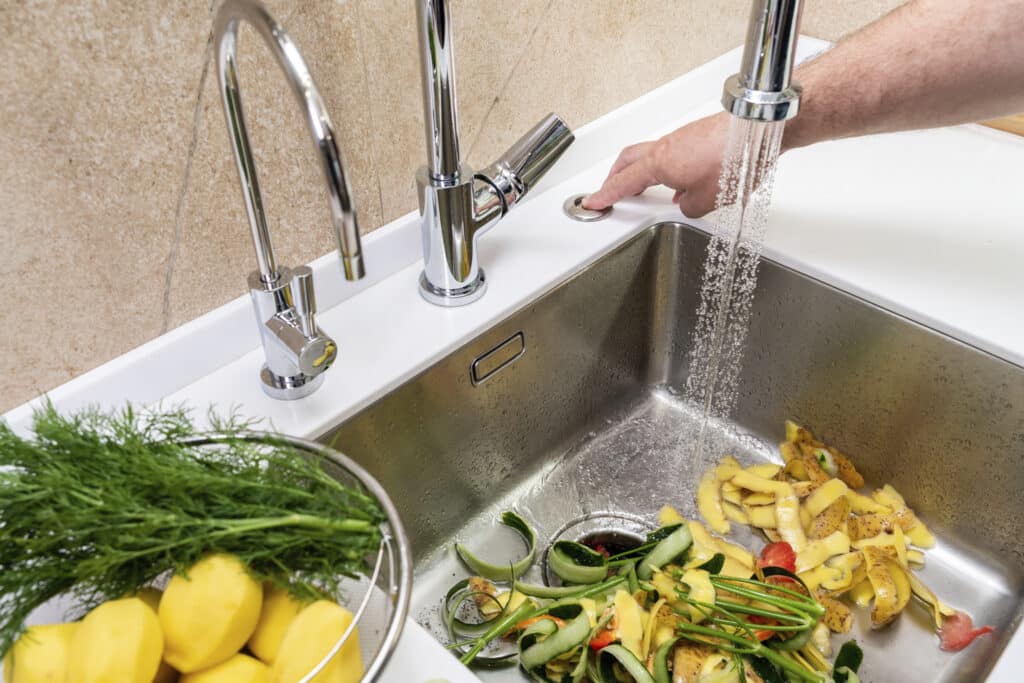
Take time to explain to everyone what can and cannot safely go down the drains. You don’t want the kids putting wet wipes or small toys in the kitchen sink or toilets. Keeping a trash bin in every room makes it simple to toss wipes and other items rather than flushing them.
- Wipes (even “flushable” ones)
- Paper towels
- Feminine hygiene products
- Cotton balls and swabs
- Dental floss
- Grease, fats, and oils
- Food scraps
- Coffee grounds
- Hair
- Cat litter
- Diapers
- Medications
- Paint or chemicals
Regularly Monitor the Drain Field
During summer activities, you must plan your outdoor gatherings so you don’t accidentally park heavy vehicles over the drain field area. Marking underground lines is a smart way to avoid soil compaction and pipe damage. You should also keep all plants and landscaping at least 10 to 15 feet away; this prevents aggressive roots from interfering with the system’s ability to filter wastewater.
Keep an Eye Out for Slow Drainage
Time and time again, we’ve seen that most septic problems start out small but get worse really fast. You can watch for certain signs to know if your home has drainage issues. Calling as soon as you suspect a problem is key to mitigating expensive damage.
- Water backing up in fixtures
- Frequent need for plunging toilets
- Drains clogging repeatedly
- Water pooling in shower
- Toilet water rising unexpectedly
- Air bubbles in toilet bowl
Book a Professional Inspection or Pumping
Annual inspections are an excellent way to catch minor issues before they escalate into system failures that disrupt your daily routine. Most systems require septic pumping in TN once every three to five years. If you haven’t had your septic serviced within the last 12 to 24 months, it’s time for a professional inspection.
Get Expert Septic Service Today
Hometown Plumbing, Electrical & HVAC makes septic tank care easy. We’re very familiar with the local soil conditions and how they impact drainage efficiency. Our inspection checks sludge buildup, baffle condition, and other problem-prone components. We’re pros at identifying and fixing minor leaks so they don’t turn into costly backyard floods.
Contact Hometown Plumbing today to book service for your septic system in Johnson City.


Contact Us
Contact Us
Proudly Serving
The Tri-Cities Area
Johnson City | Kingsport | Jonesborough | Bristol, TN | Greeneville, TN | Elizabethton | Gray, TN | and more!
View More