Mini-Split Systems Explained: Pros, Cons & Best Applications
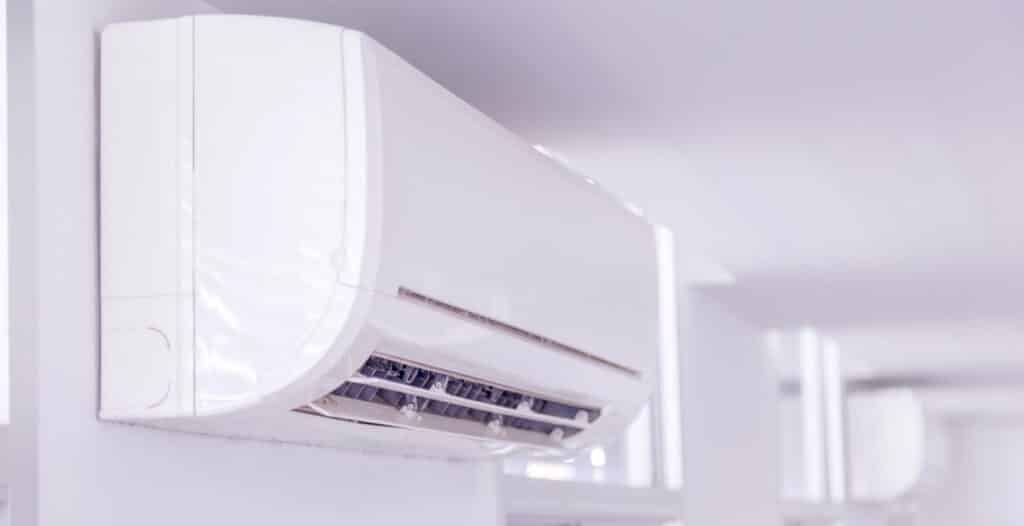
Ductless mini-split systems heat and cool specific areas of your home without traditional ductwork. These ductless heating and cooling systems use an outdoor unit connected to one or more indoor air handlers. Each indoor unit serves a room or zone, which gives you more control over comfort. For the right home, that setup can be efficient and useful.
Mini-split systems are not the perfect choice for every situation, though. Upfront cost, placement, sizing, and appearance all matter. Before you choose one, it helps to understand how the system works and where it performs best. Looking at the mini split pros and cons can help you decide whether the system fits your home and comfort goals.
What Is a Ductless Mini-Split System?
A ductless mini-split system is a split HVAC system with indoor and outdoor components. The outdoor unit contains key mechanical parts, while the indoor unit delivers conditioned air directly into the room. Refrigerant lines connect the two pieces through a small wall opening.
Many mini-split systems work as heat pumps, so they can provide both heating and cooling. Some systems serve a single room, while others connect several indoor units to one outdoor unit. That flexibility is one reason homeowners consider ductless mini-split systems for hard-to-condition spaces.
How Mini-Split Systems Improve Comfort & Efficiency
One major benefit is HVAC zoning. You can set different temperatures in different rooms instead of conditioning the entire home the same way. If you use one room more than another, that control can reduce wasted energy.
Ductless AC systems also avoid energy loss from ductwork. The Department of Energy notes that duct losses can reduce efficiency in forced-air systems, especially when ducts run through attics or crawl spaces. Mini-split systems deliver air directly into the room, which helps avoid that issue.
Many systems also use variable-speed compressors. Instead of turning fully on and off each time, they adjust output based on demand. That can improve comfort and reduce temperature swings. Not every system performs the same, so proper sizing and installation still matter quite a bit.
Installation Advantages to Consider
Mini-split systems usually require fewer structural changes than adding new ductwork. That can make them useful in finished spaces where ducts would be difficult to install. The indoor unit mounts on a wall, ceiling, or floor, depending on the model.
The installation process still needs detailed planning, though. The system must be sized correctly for the space. ACCA recommends load calculations for HVAC equipment selection, and that applies here, too. Guessing by room size alone can lead to poor comfort or short cycling.
Potential Drawbacks of Mini-Split Systems
The biggest drawback is often the upfront cost. Multi-zone systems often cost more than standard HVAC systems. The final price depends on system size, number of indoor units, and installation conditions.
Appearance is another factor. Indoor air handlers remain visible, unlike vents in a ducted system. Some homeowners don’t mind the look, while others would rather keep the equipment hidden.
Maintenance also matters. Each indoor unit has filters and components that need regular attention over time. If you install several indoor units, you will have more equipment to maintain. It’s not difficult, but it does require consistency.
Best Applications for Mini-Split Systems
Mini-split systems are especially useful in rooms that don’t connect well to the main HVAC system. They can also help when extending ductwork would be expensive or impractical.
- Home additions
- Garages
- Sunrooms
- Bonus rooms
- Older homes without ducts
- Finished basements
Mini-split systems in Tennessee are also common in older homes where homeowners want a new system without major remodeling. In some houses, installing ductwork would require extensive wall or ceiling changes, which is not always beneficial.
When a Traditional System May Fit Better
A mini-split system is not always the best answer. If your home already has working ductwork, a central system may make more sense. A full AC installation or replacement may be more suitable for whole-home cooling.
Choosing the Right Mini-Split Setup
The best mini-split system depends on your home, comfort goals, and budget. Room size matters, but so do insulation, windows, ceiling height, and sun exposure. Even smaller details can change the heating and cooling load.
At Hometown Plumbing, Electrical & HVAC, we help homeowners compare system options and choose the right setup. We evaluate the space, explain the trade-offs, and install systems designed for the way you use your home.
Contact us to learn more about our mini-split system installation services in the Tri-Cities area.





Contact Us
Contact Us
Proudly Serving
The Tri-Cities Area
Johnson City | Kingsport | Jonesborough | Bristol, TN | Greeneville, TN | Elizabethton | Gray, TN | and more!
View More